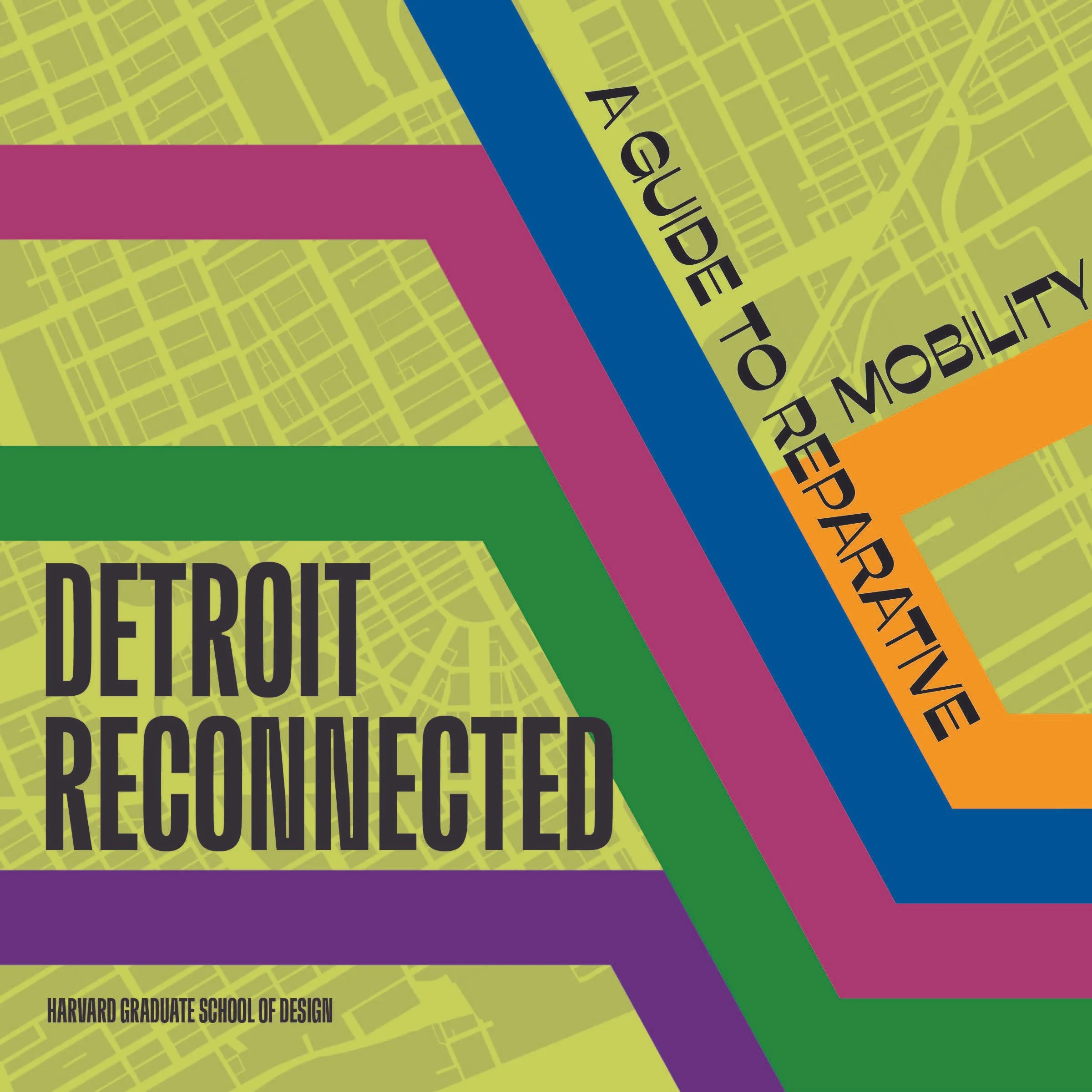
DETROIT RECONNECTED
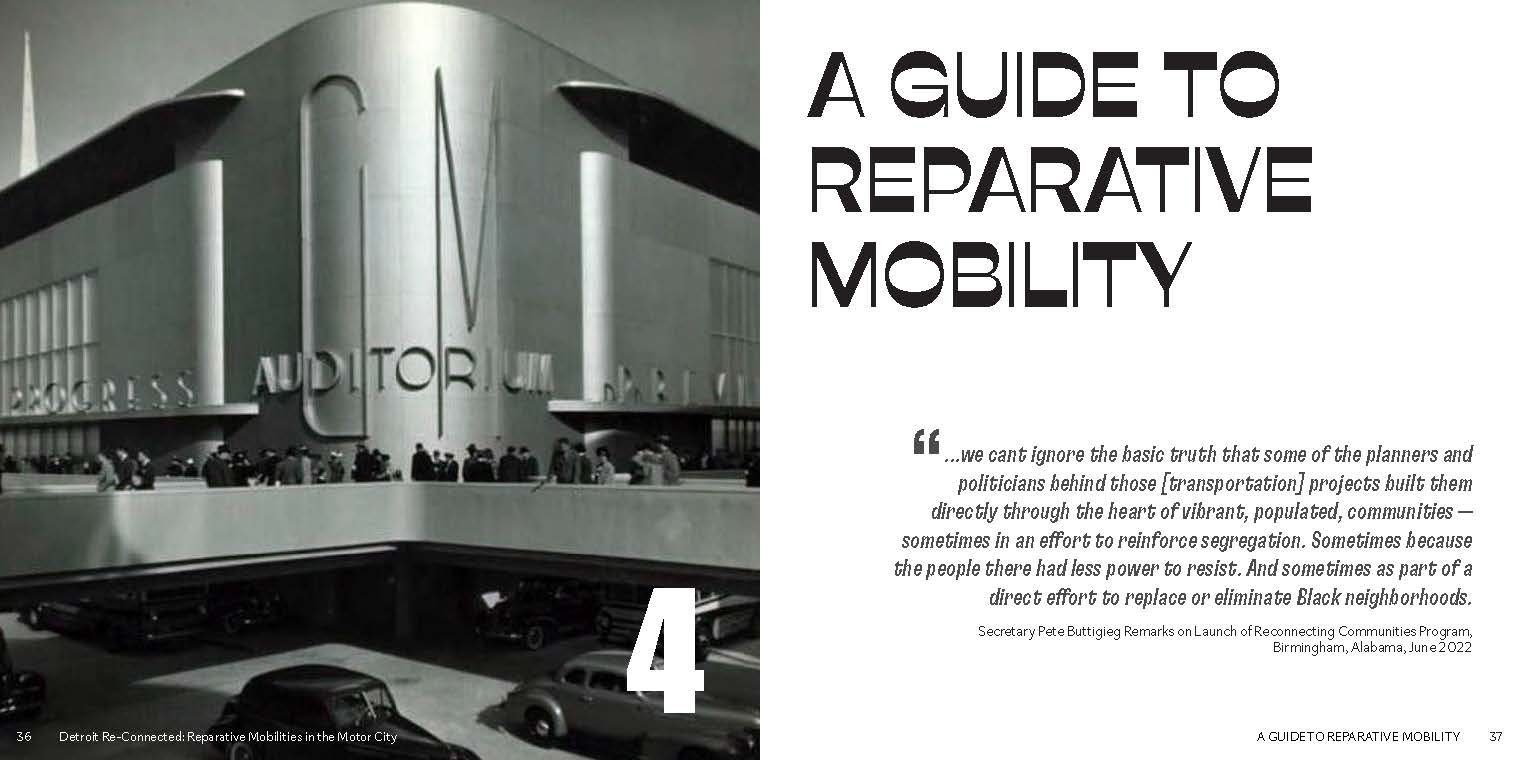
A GUIDE TO REPARATIVE MOBILITY
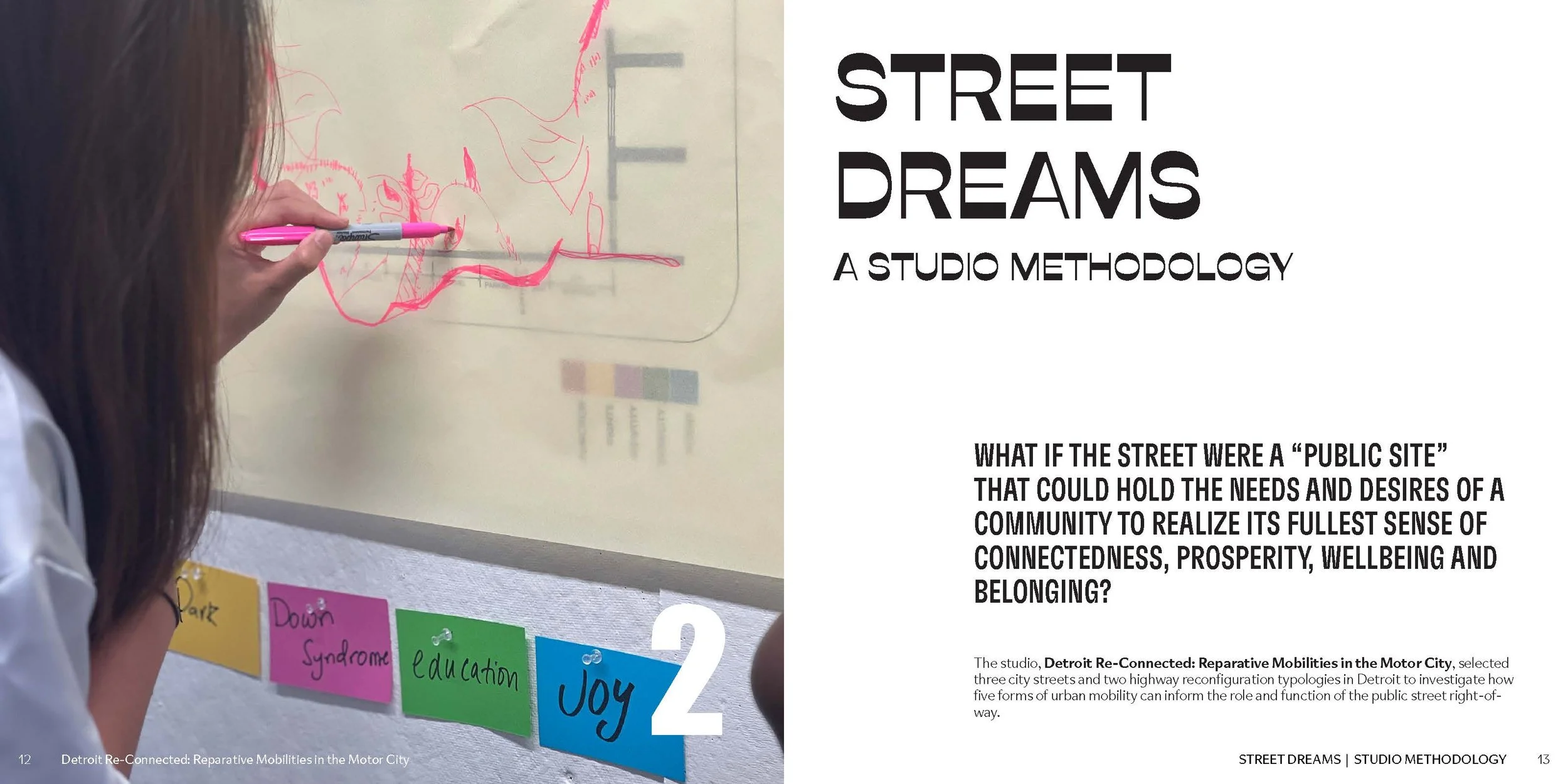
“What if the street were a “public site” that could hold the needs and desires of a community to realize its fullest sense of connectedness, prosperity, wellbeing and belonging?”
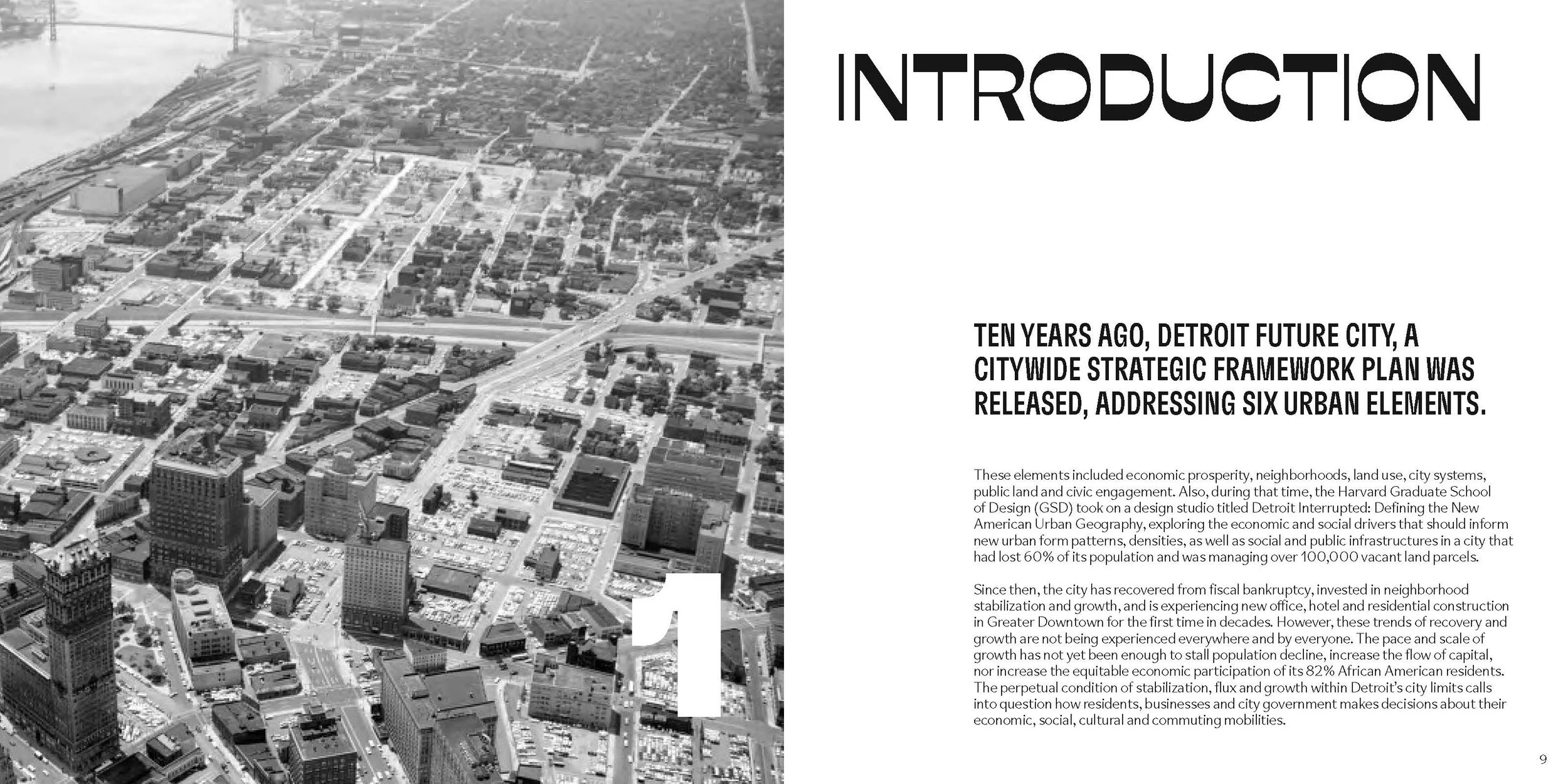
Ten years ago, Detroit Future City, a citywide strategic framework plan was released, addressing six urban elements including economic prosperity, neighborhoods, land use, city systems, public land and civic engagement. Since then, the city has recovered from fiscal bankruptcy, invested in neighborhood stabilization and growth, and experienced new office, hotel, and residential construction downtown for the first time in decades. However, these trends are not being experienced everywhere and by everyone.
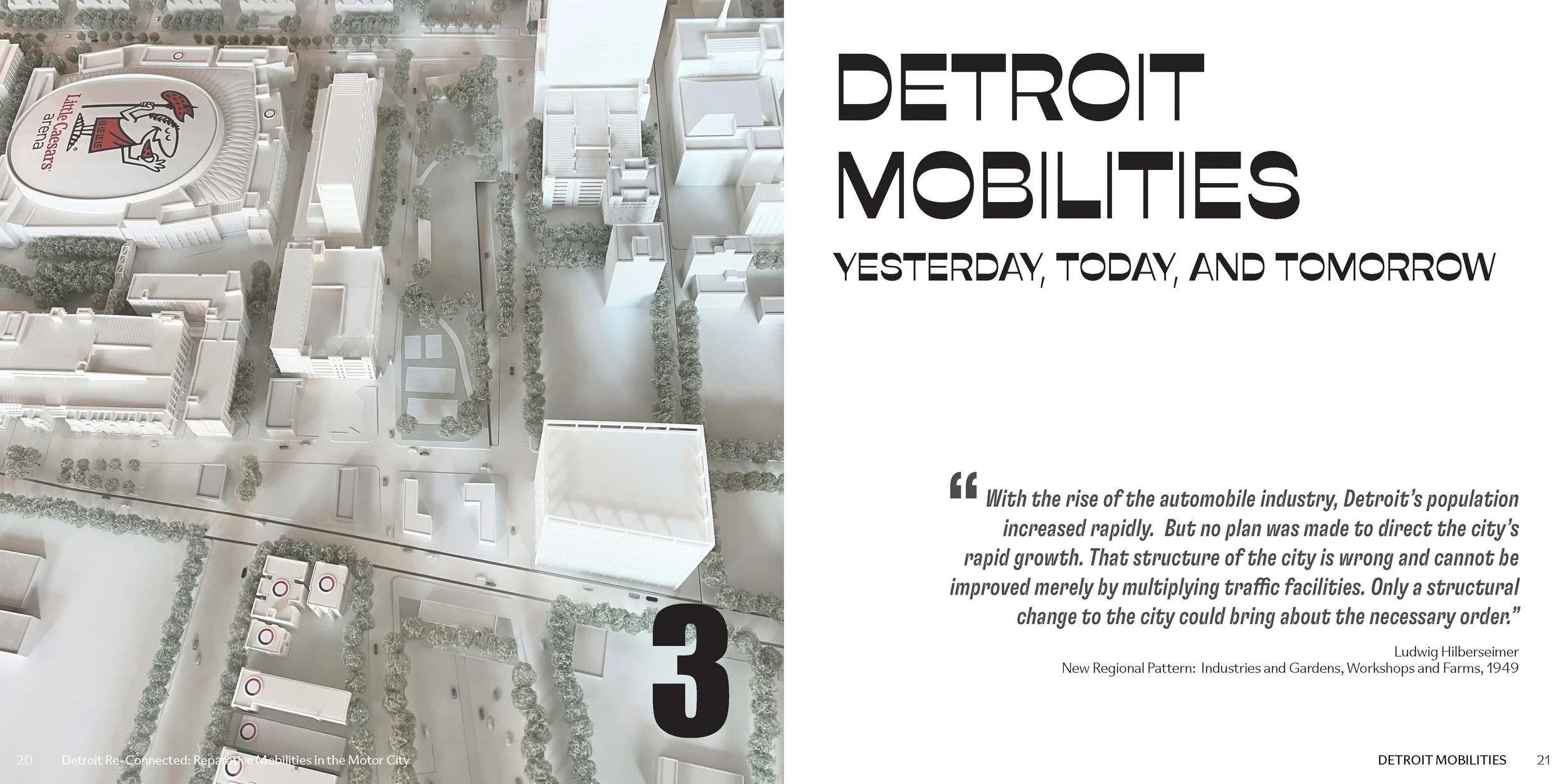
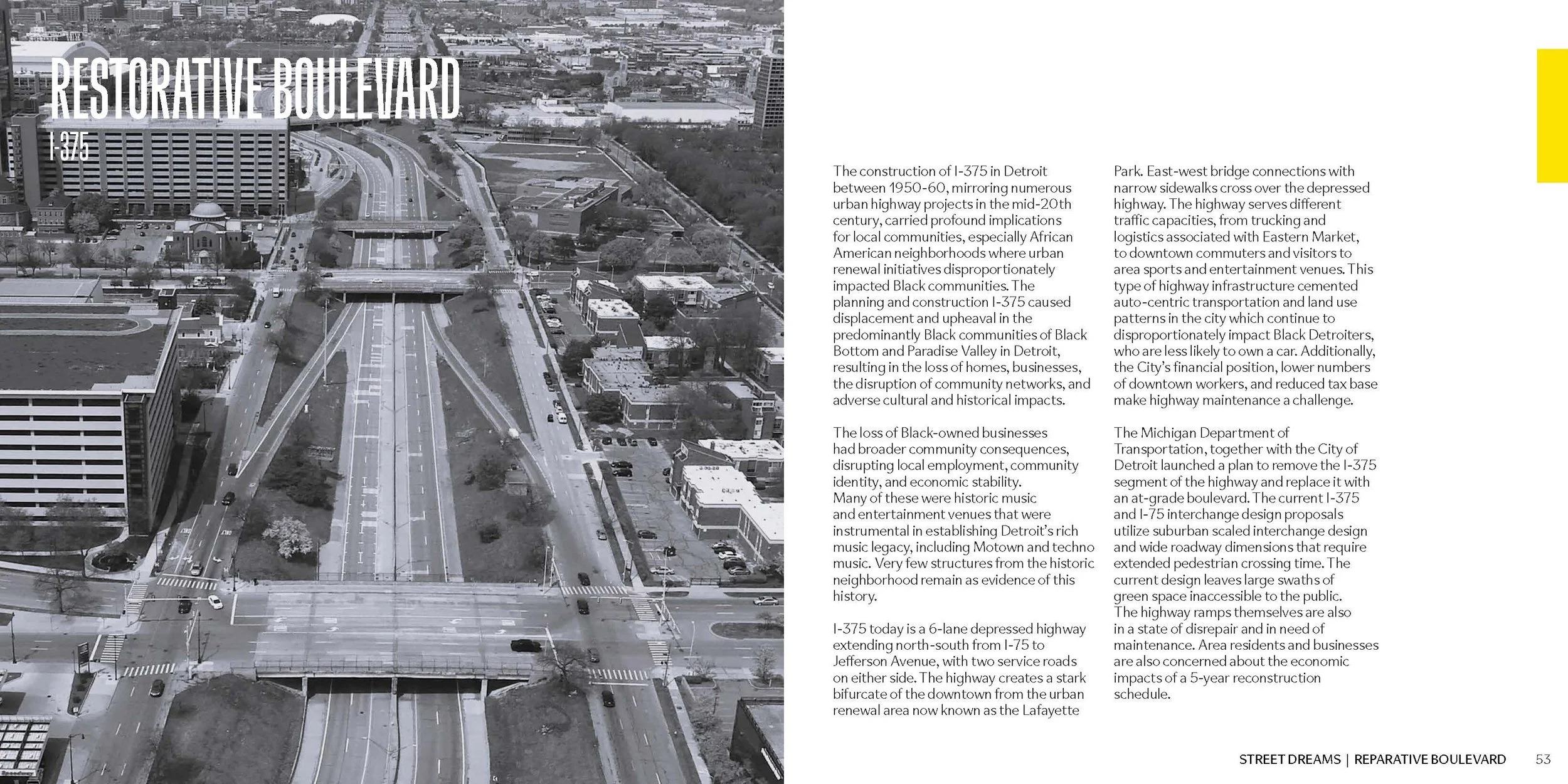
In an era for restorative justice, Detroit, like many other US cities, is looking to repair the harms of urban renewal by reimagining these highway systems as walkable streets and parkways that reconnect divided neighborhoods and communities. Civic leaders are now interested in advancing Detroit’s legacy mobility innovation to model new mobility infrastructures that are more inclusive, climate responsive and adaptive.
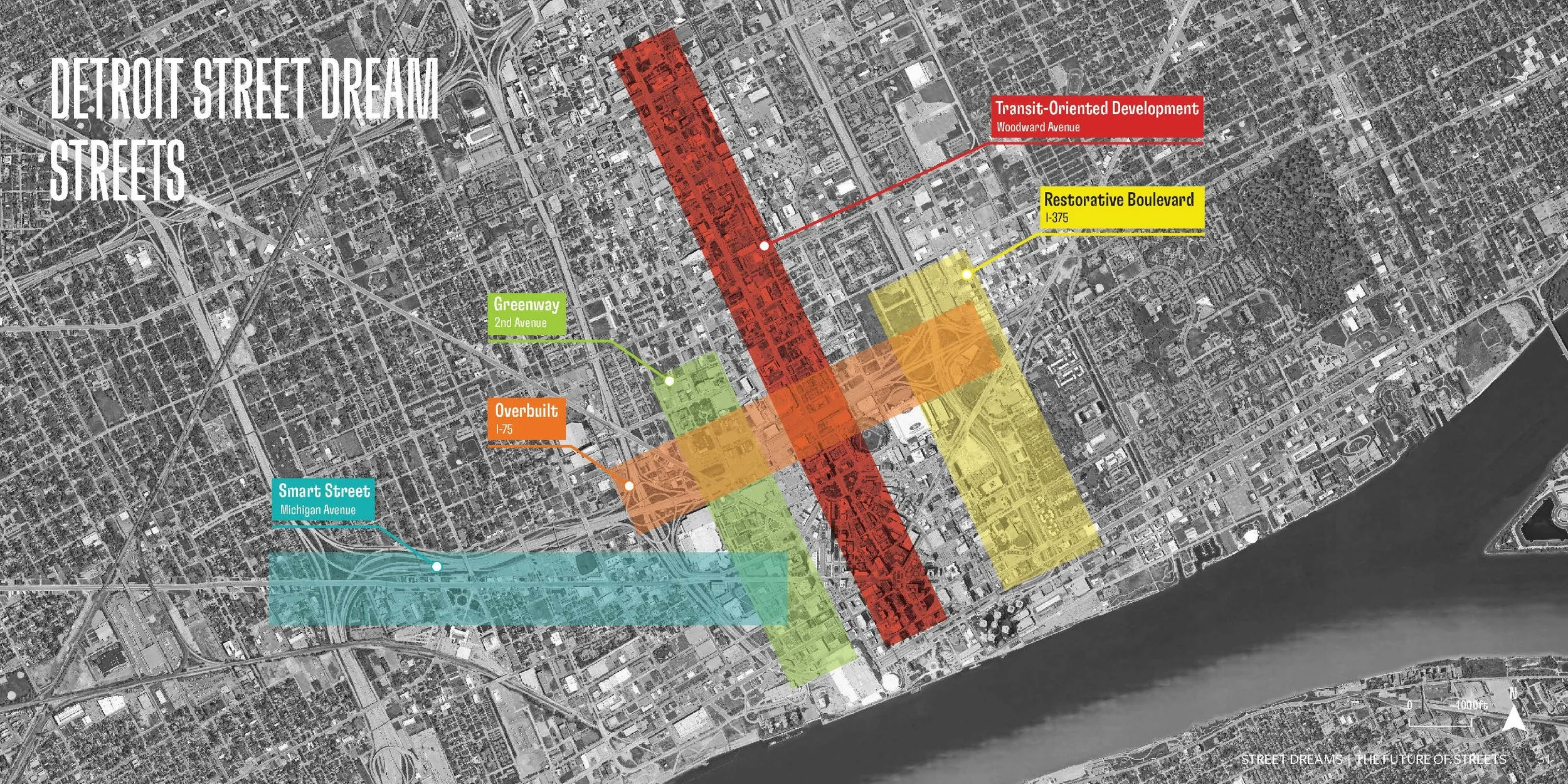
Detroit Re-Connected: Reparative Mobilities in the Motor City, a multi-disciplinary design studio at the Harvard Graduate School of Design conducted in the Fall 2023 semester, uses three city streets and two highway reconfiguration typologies in Detroit to investigate how five forms of urban mobility can inform the role and function of the public street right-of way.
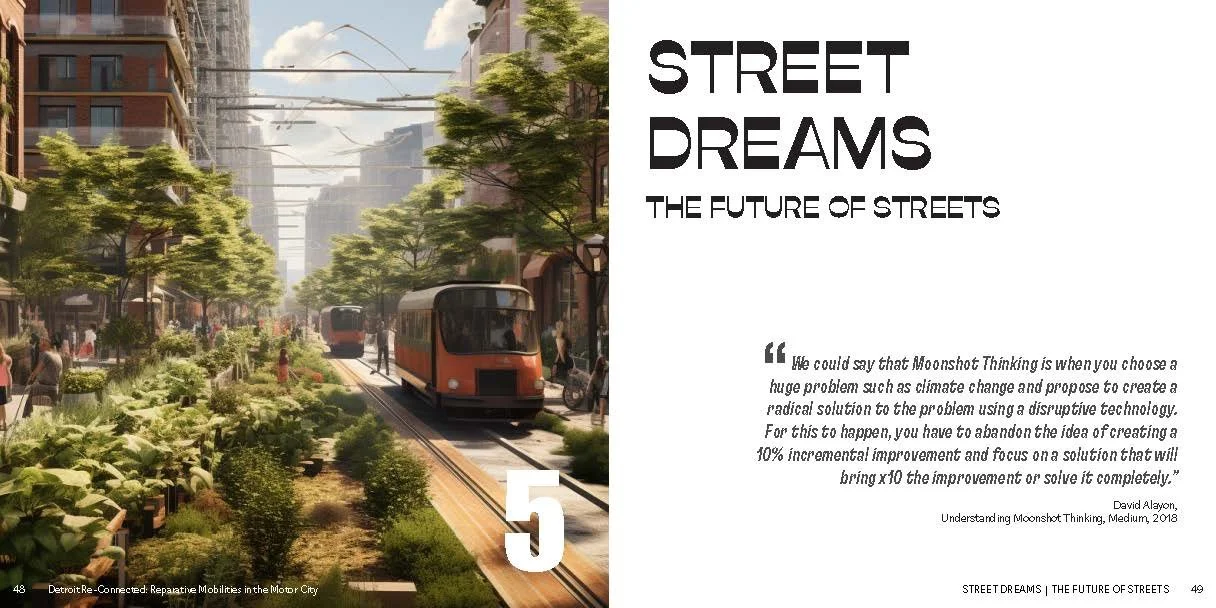
With recent and emerging changes in smart transportation technology, post-Covid commuting patterns, and population flux, coupled with persistent tensions around rights to the city, belonging and land ownership, Detroit’s street and highway network serves as an experimental laboratory for testing how the redesign of mobility infrastructures can and must accommodate climate change, technology, economic and population flux, the future of work, public health and safety, and cultural identity.
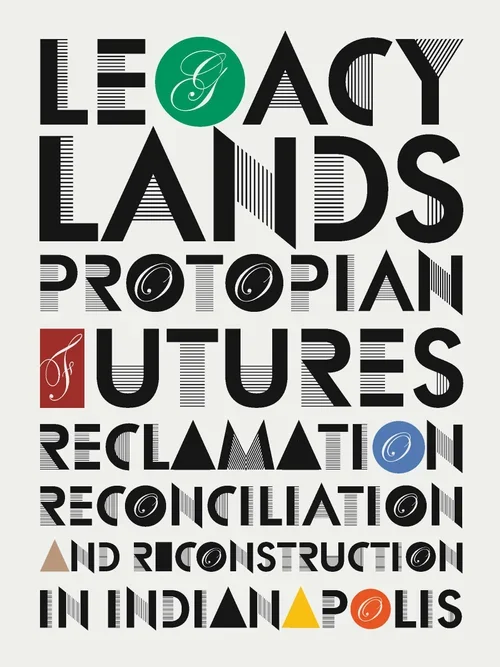
LEGACY LANDS | PROTOPIAN FUTURES
RECLAMATION, RECONCILIATION, AND RECONSTRUCTION IN INDIANAPOLIS
“Injustice is a decision. What if we were in control of making different decisions for justice?”
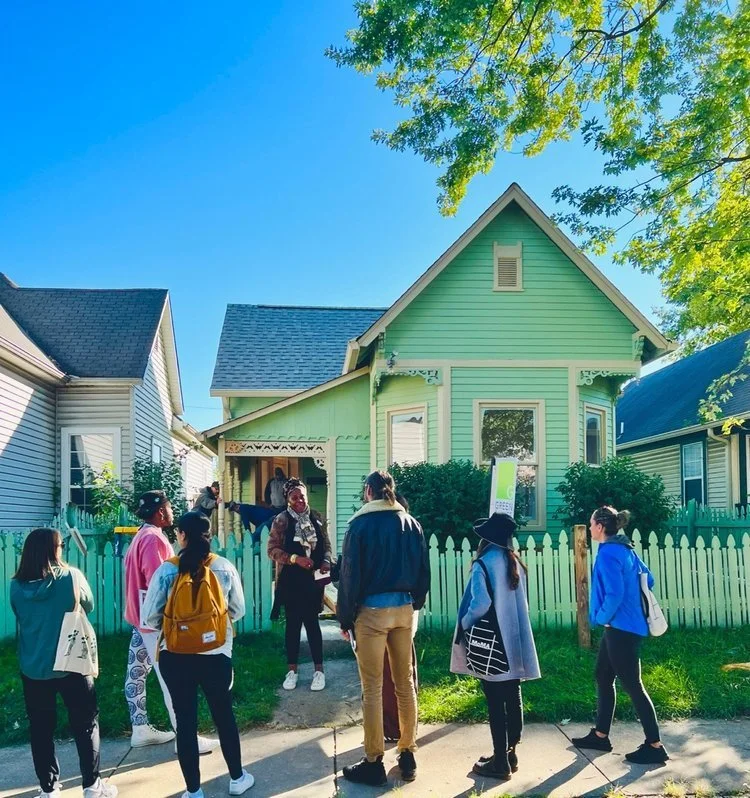
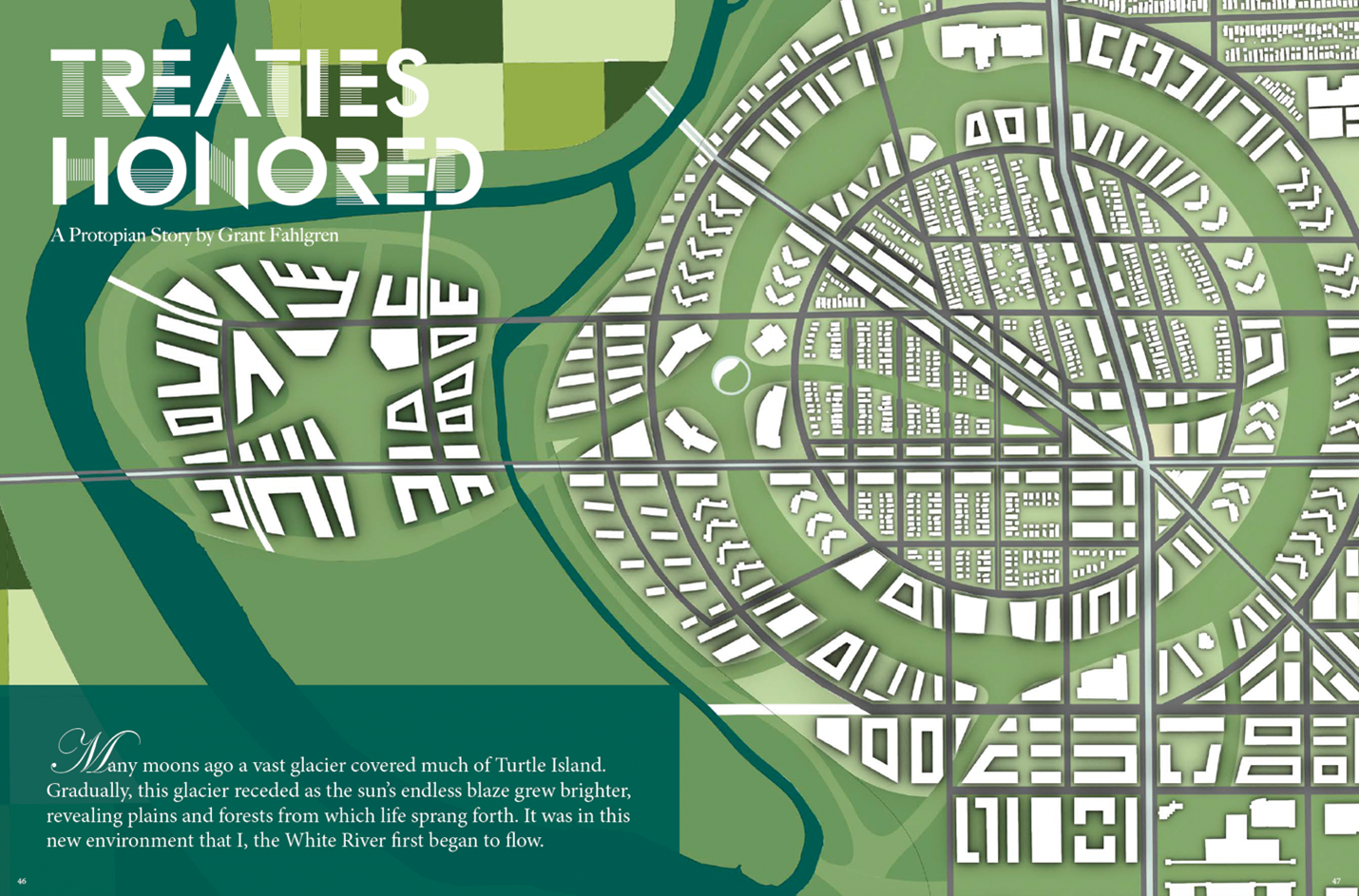
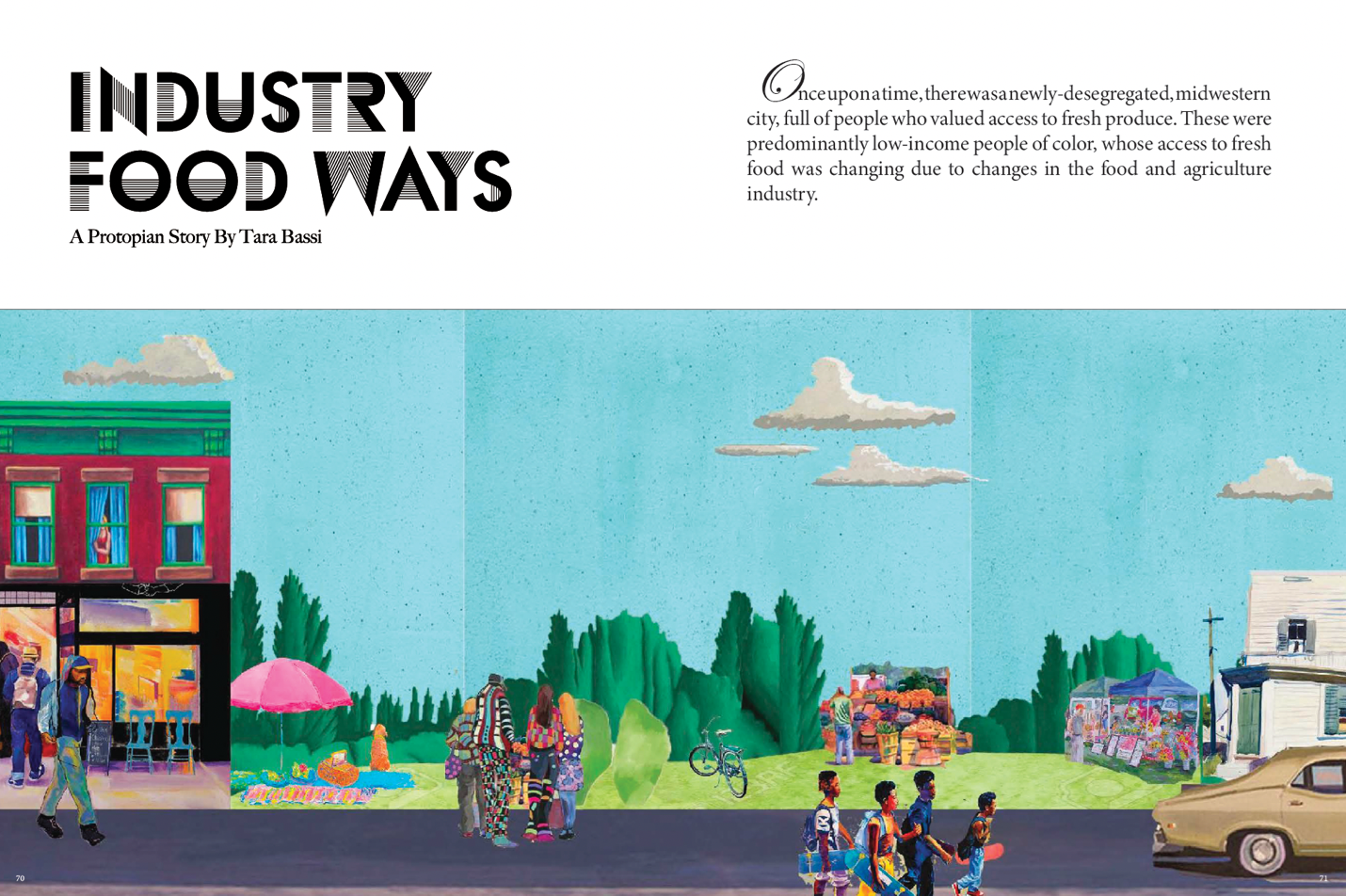
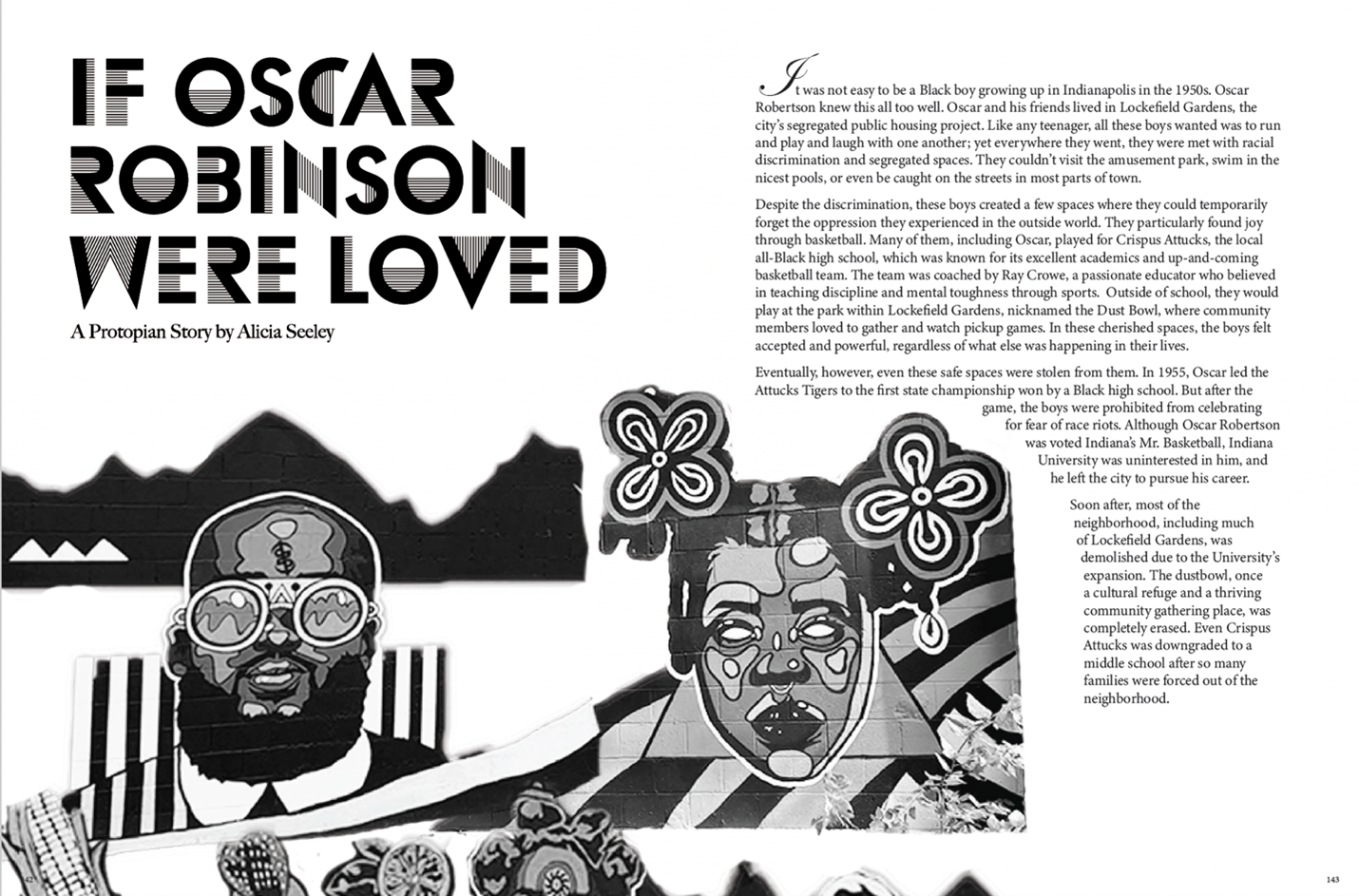
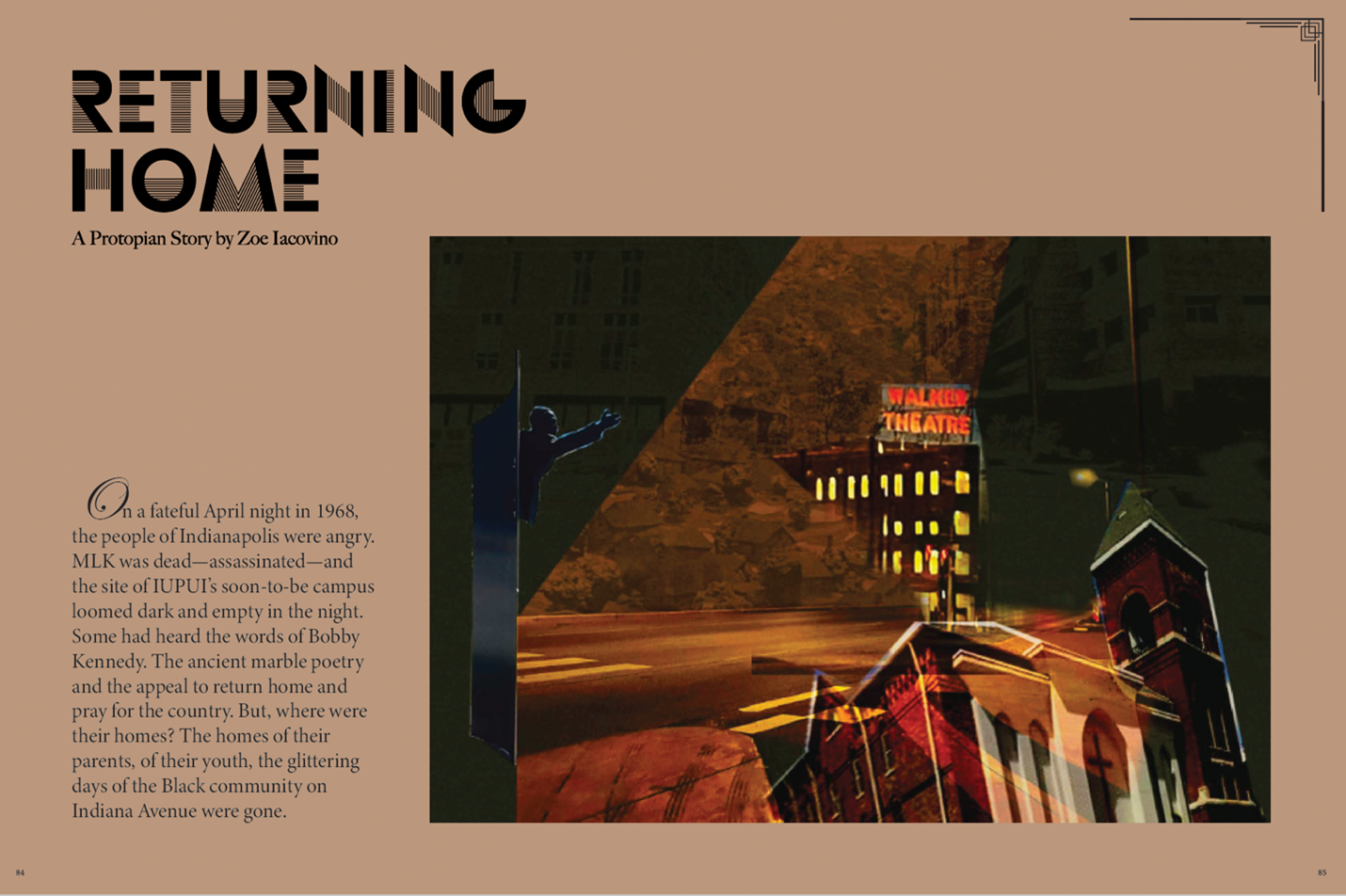
If we are to advance a more inclusive and just urban redevelopment agenda – one that does not extend the practice of displacement - we must acknowledge that these Black neighborhoods and the legacy of their land histories hold a heritage that must inform the possibilities for its future cultural restoration, development, and liberation (ownership). Legacy Lands | Protopian Futures: Reclamation, Reconciliation and Reconstruction in Indianapolis, was a multi-disciplinary design studio at the Harvard Graduate School of Design, conducted in the Fall 2022 semester, that imagines the future possibilities for the Black heritage neighborhoods of Indiana Avenue if racial segregation, eminent domain, and slum clearance policies had not disrupted the thriving Black communities of Ransom Place, Fayette Street and Pat’s Bottom, as well as the preceding native American land settlements.
Urban Disobedience
99 PROVOCATIONS TO DISRUPT INJUSTICE IN ST. LOUIS
"Design requires imagination. Disruption requires a radical act."
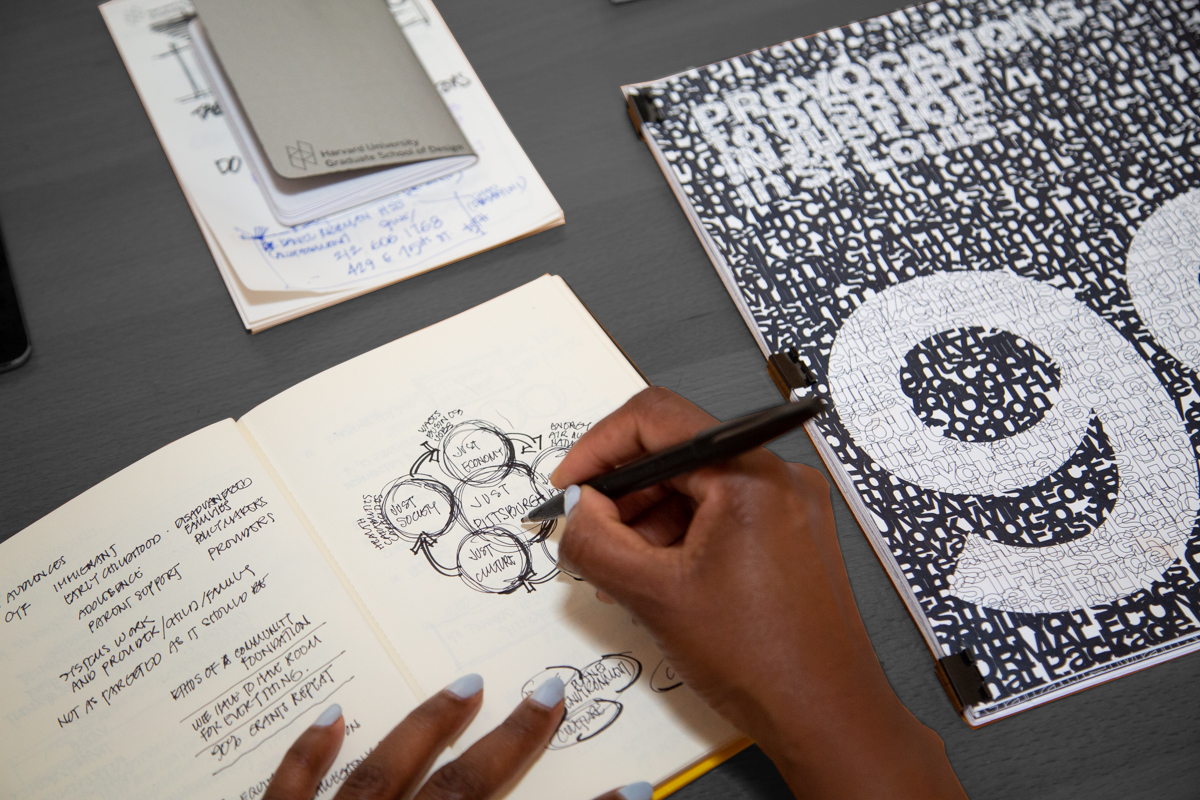
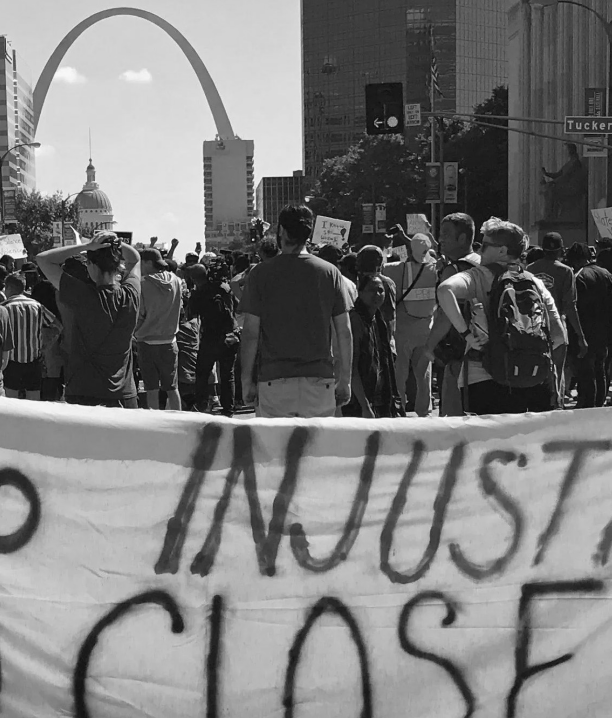
Urban Disobedience: 99 Provocations to Disrupt Injustice in St. Louis was a 2017 design studio at the Harvard Graduate School of Design. The studio’s core objective was to examine and prototype the ways design facilitates just processes and outcomes, for people and place. In this volume, the design research and interventions of twelve design students are combined with the voices of St. Louis activists to put forward to set of provocations for dismantling injustice in St. Louis.


PATTERNED JUSTICE
DESIGN LANGUAGES FOR A JUST PITTSBURGH
"We must acknowledge the injustices that have occurred, not only from a design perspective, but also as a result of the general failure to address systems that perpetuate exclusion, extraction and erasure."
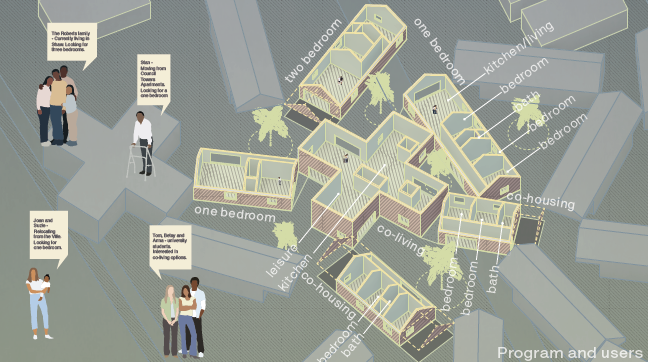
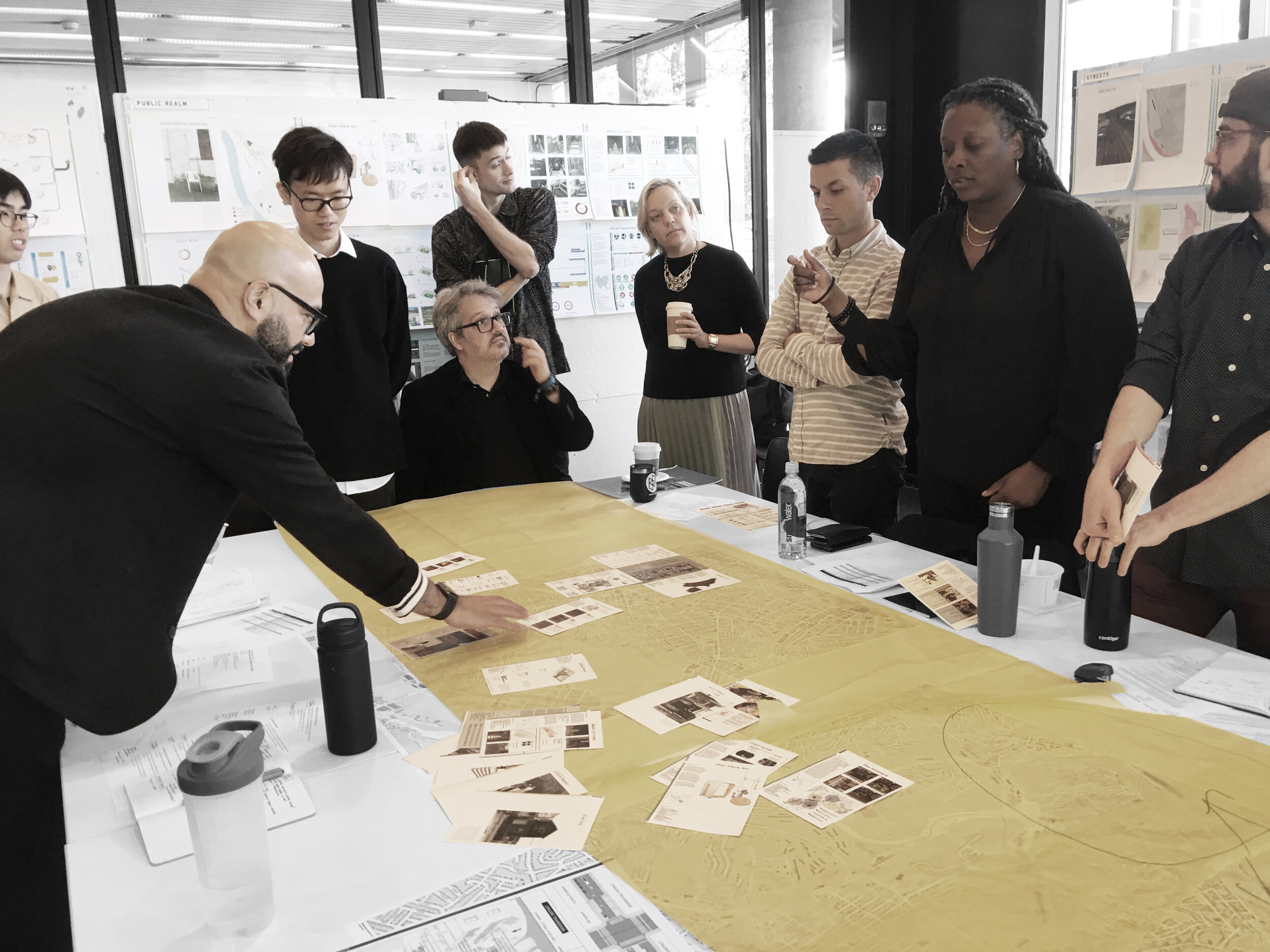
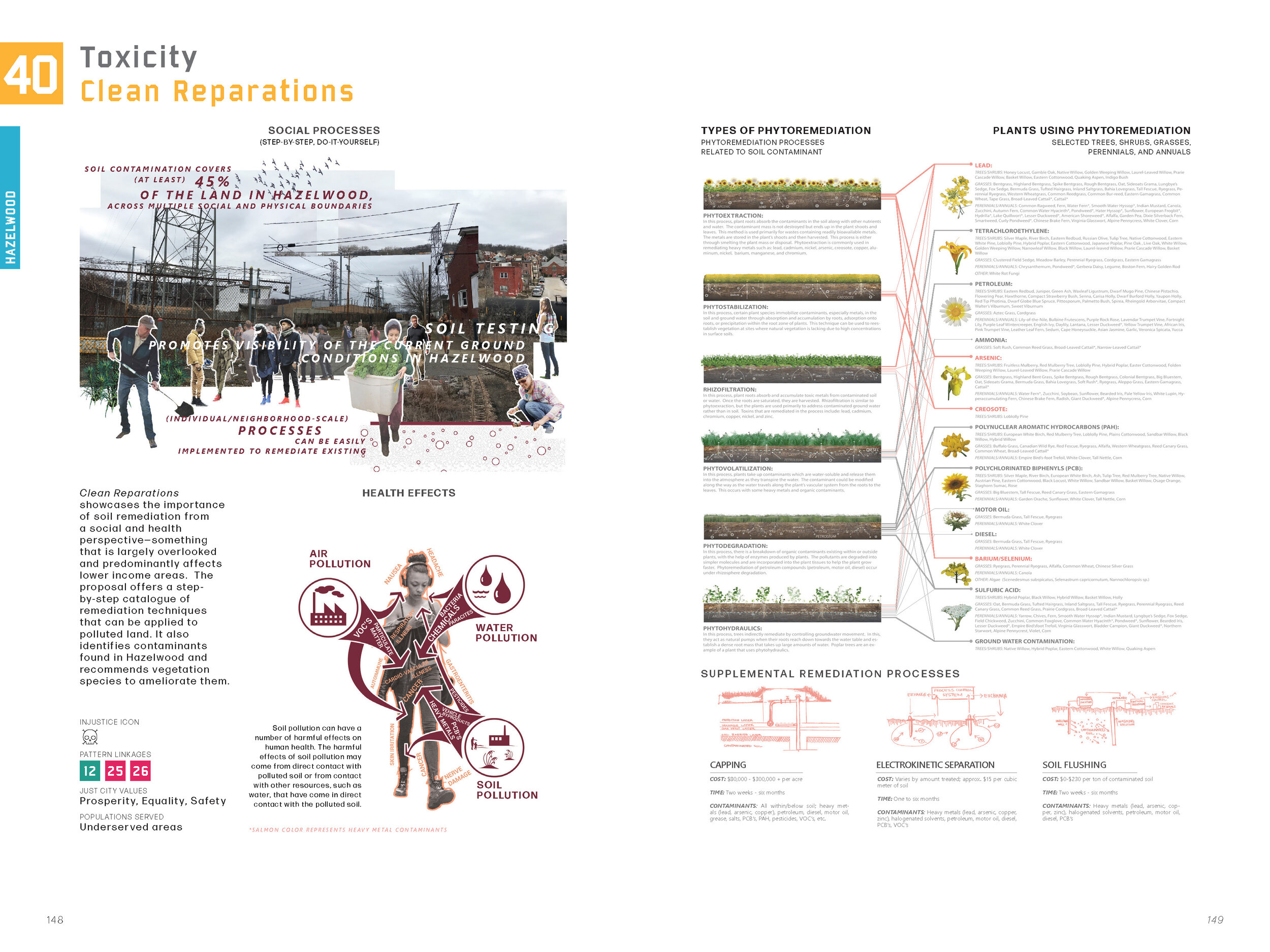
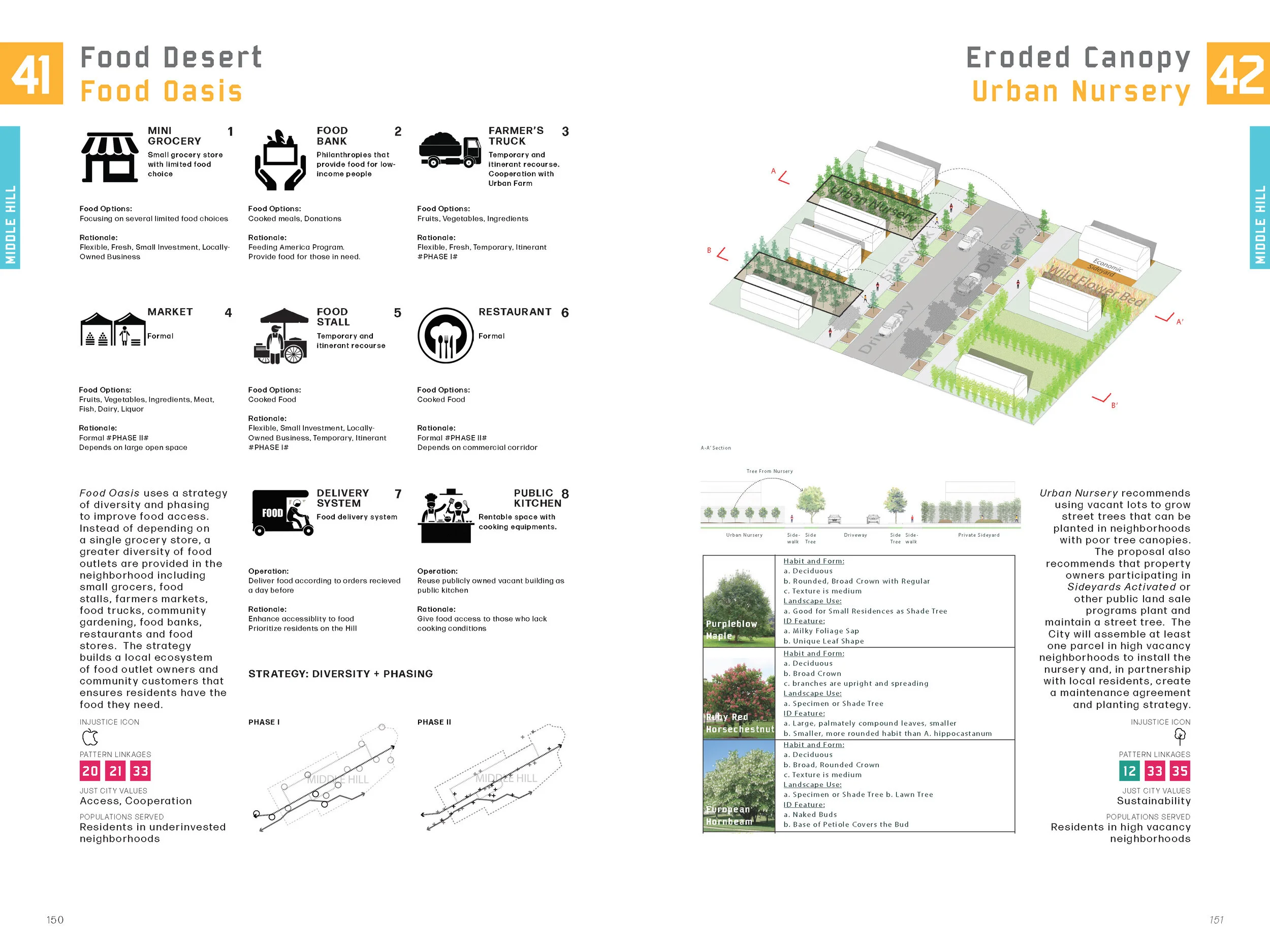
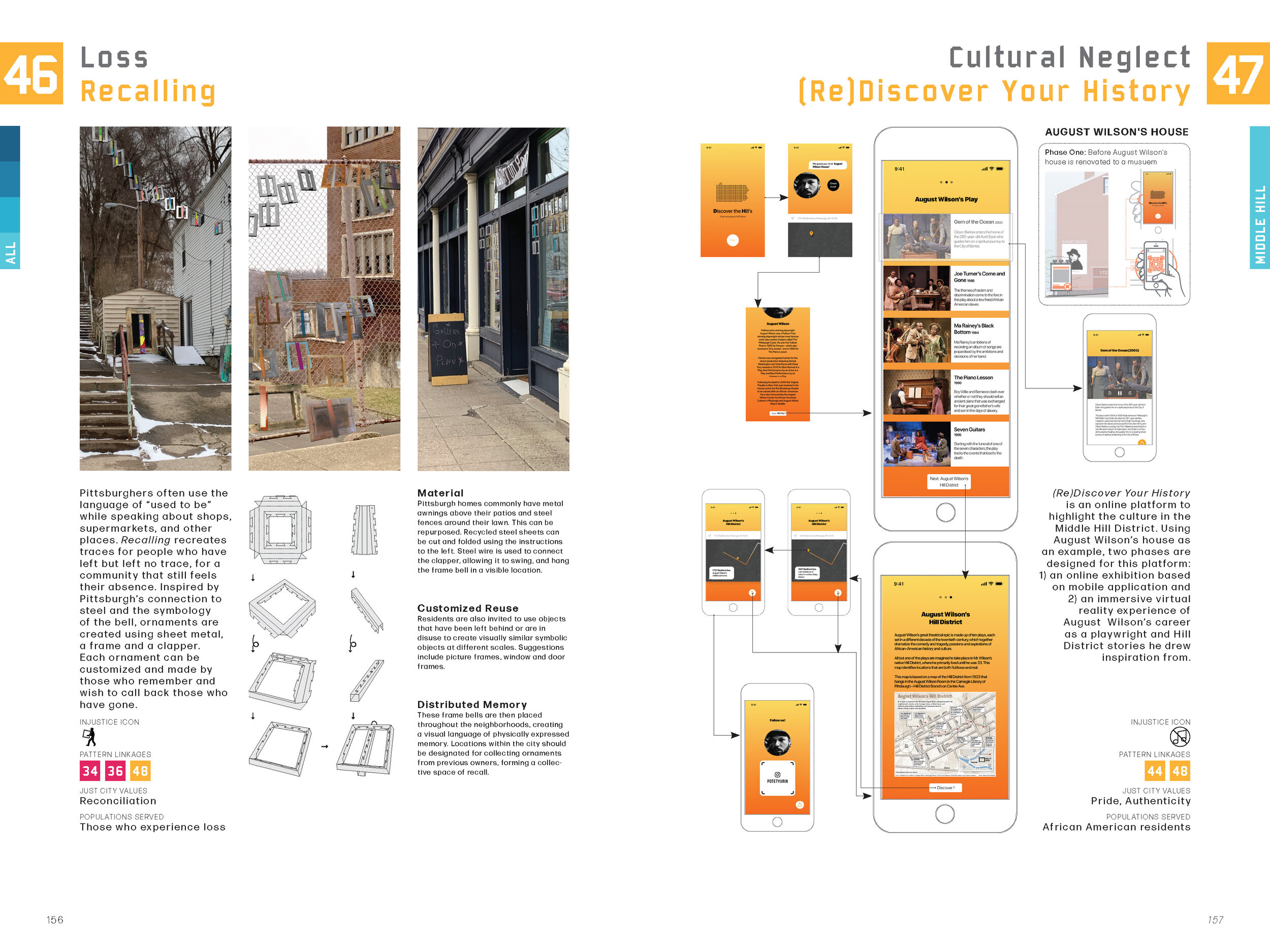
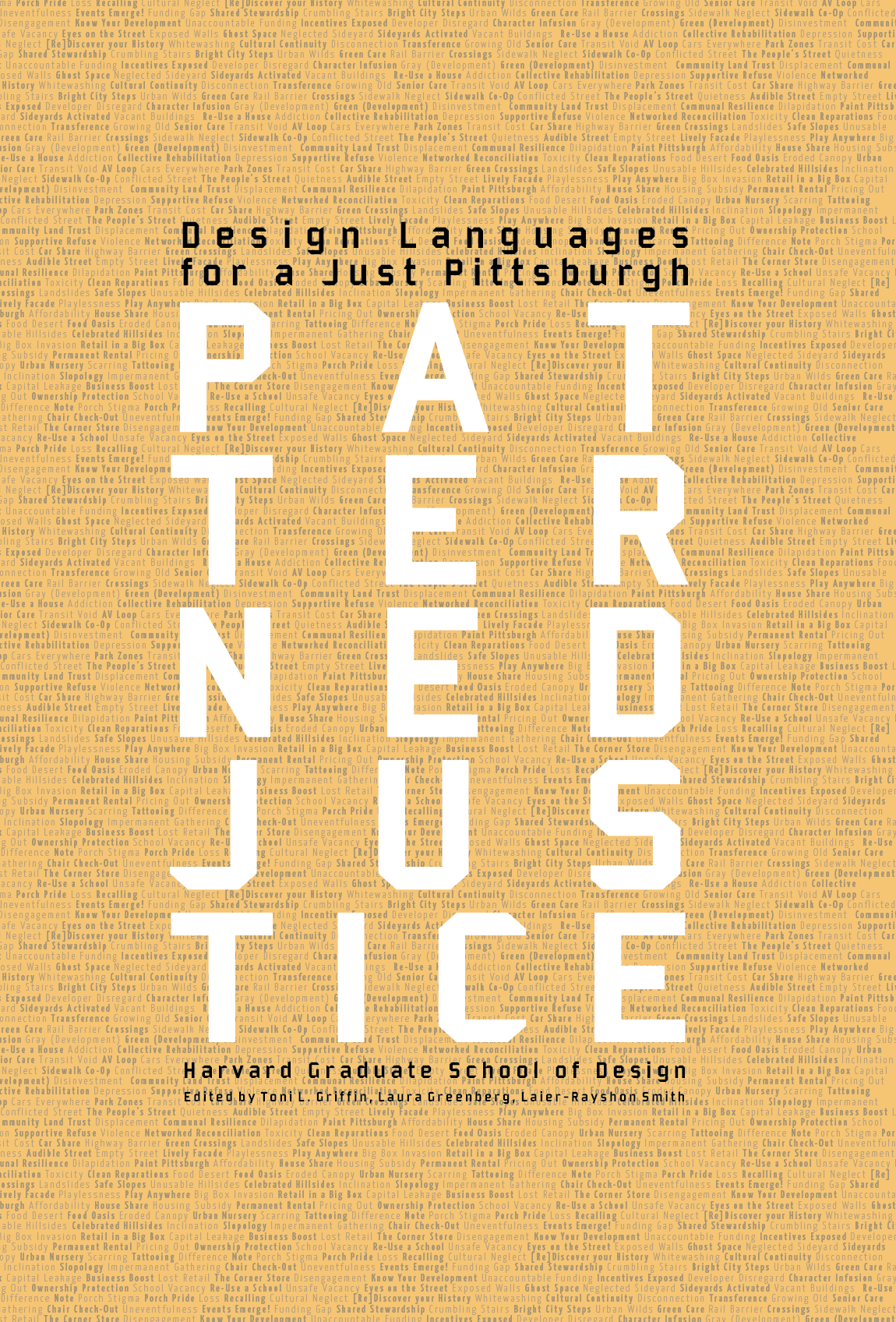
Patterned Justice: Design Languages for a Just Pittsburgh was a 2019 design studio at the Harvard Graduate School of Design and sponsored by The Heinz Endowments. The studio’s core objective was to interrogate and advance socio-spatial justice through design and planning “pattern-making” in four Pittsburgh neighborhood areas—Beechview, Hazelwood, Middle Hill District and East Liberty/Garfield. The studio was conducted through a process of co-creation, and the results are published here as a handbook to help advance work of local public, private and nonprofit organizations and everyday residents in Pittsburgh.
ESSAYS
THE JUST CITY ESSAYS: VOLUME ONE
"A just city is a city in which spatial resources and natural amenities will be available and accessible to all."
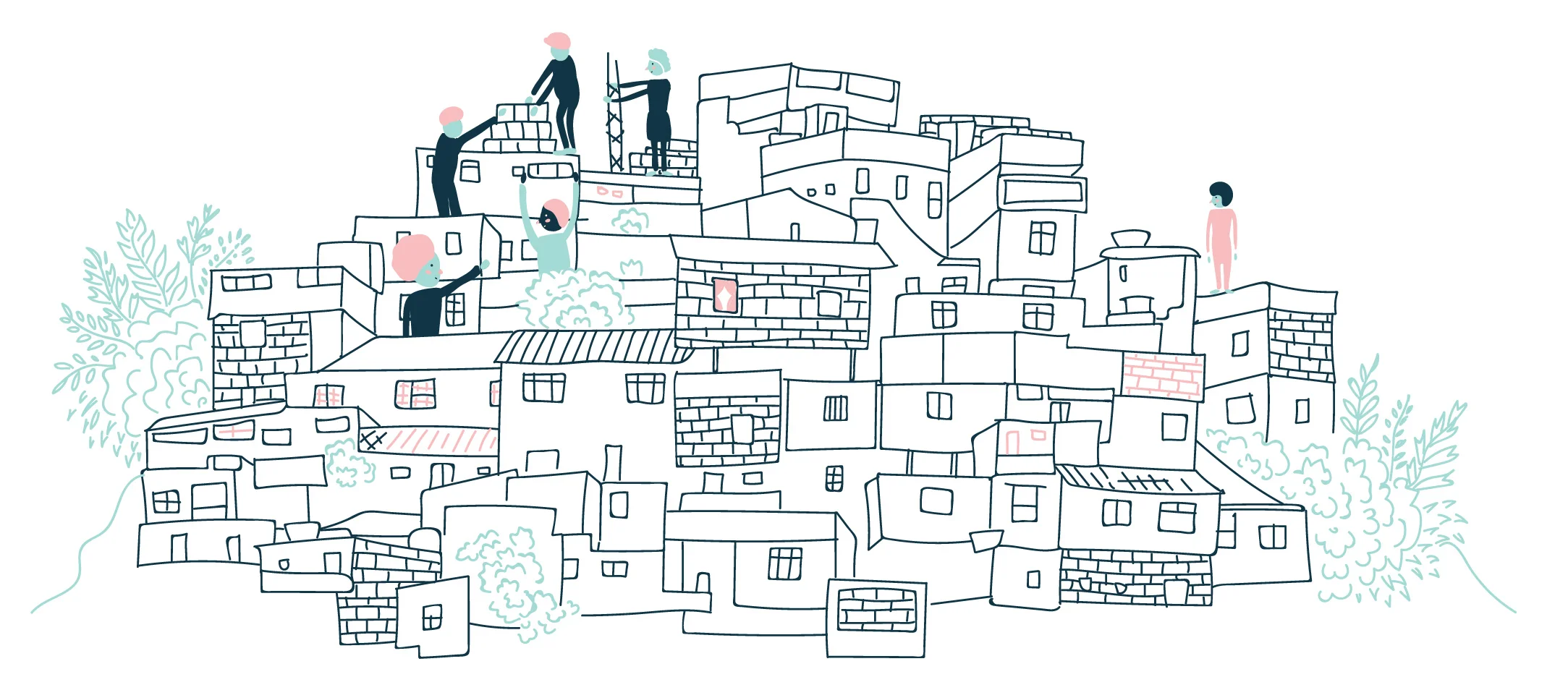
In "A Just City is Inconceivable without a Just Society," Marcelo Lopez De Souza explores the path to social sustainability in our cities, including his own: Rio de Janeiro.
De Souza was one of 26 authors invited to respond to two straightforward questions: What would a just city look like and what could be the strategies to get there? We raised these questions to architects, mayors, artists, doctors, designers and scholars, philanthropists, eologists, urban planners and community activists. Their responses came to us from 22 cities across five continents and myriad vantages. Each offers a distinct perspective rooted in a particular place or practice. Each essay is meant as a provocation — a call to action. You will notice common threads as well as notes of dissonance. Just like any urban fabric, heterogeneity reigns.
RESEARCH
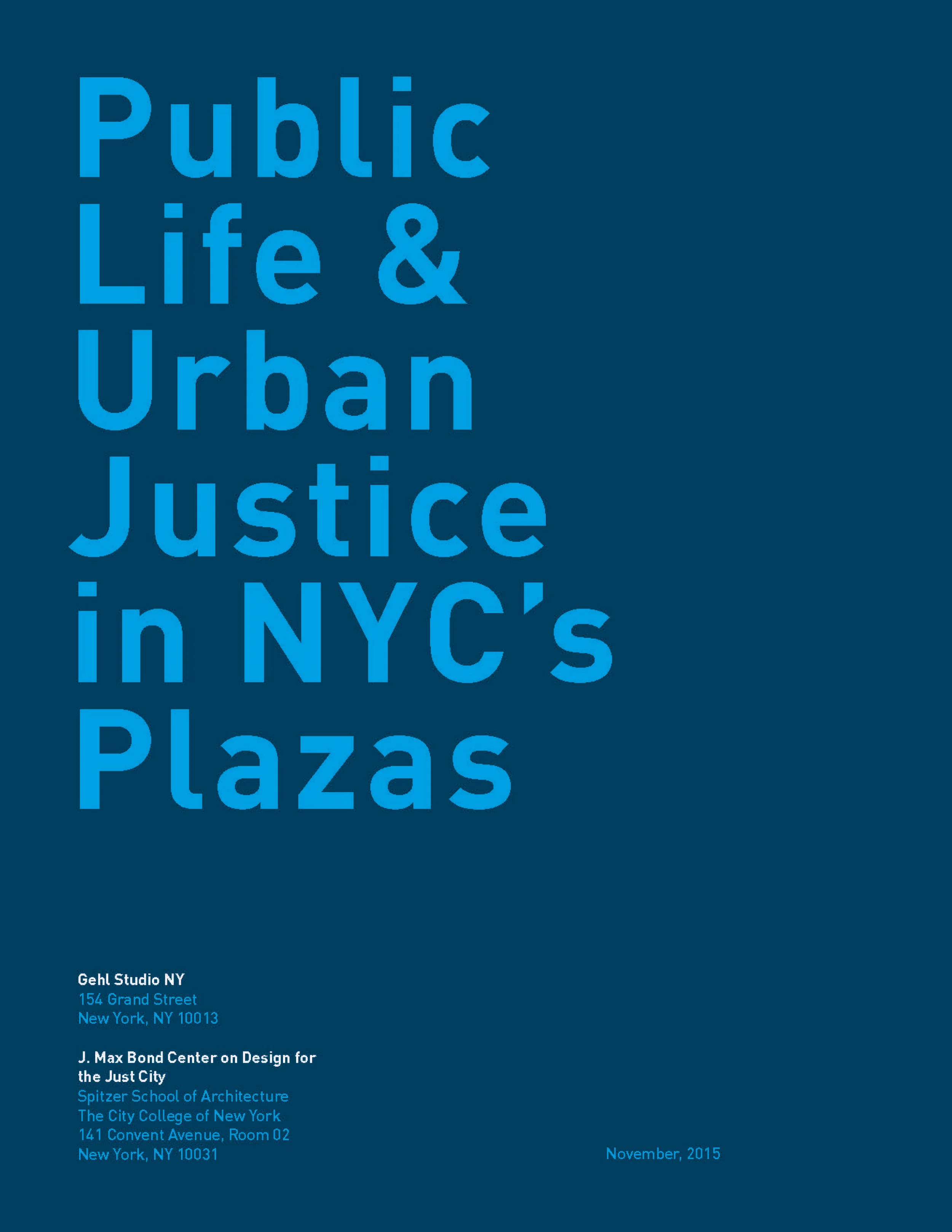
PUBLIC LIFE & URBAN JUSTICE IN NYC'S PLAZAS
Can the design of public space have a positive impact on public life and urban justice?
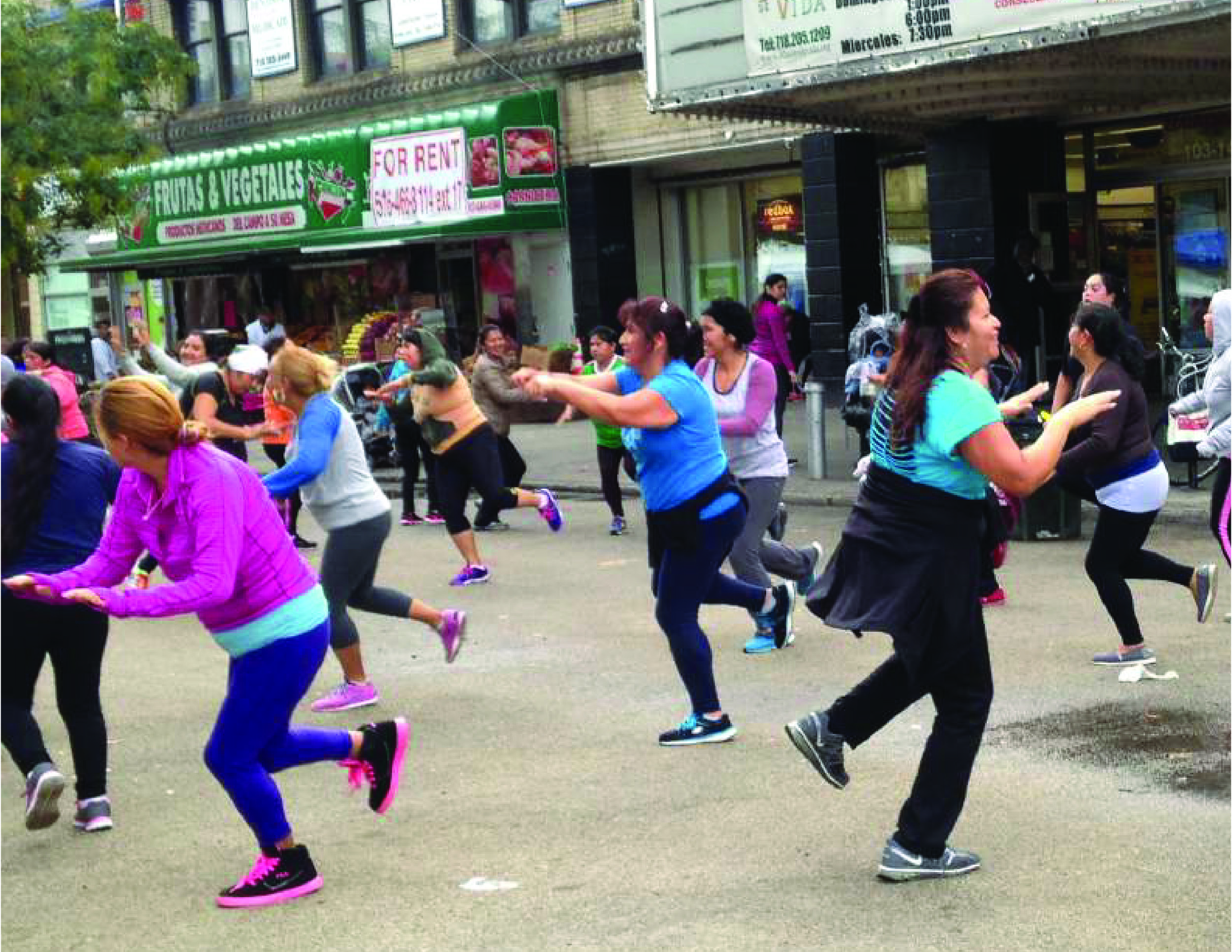
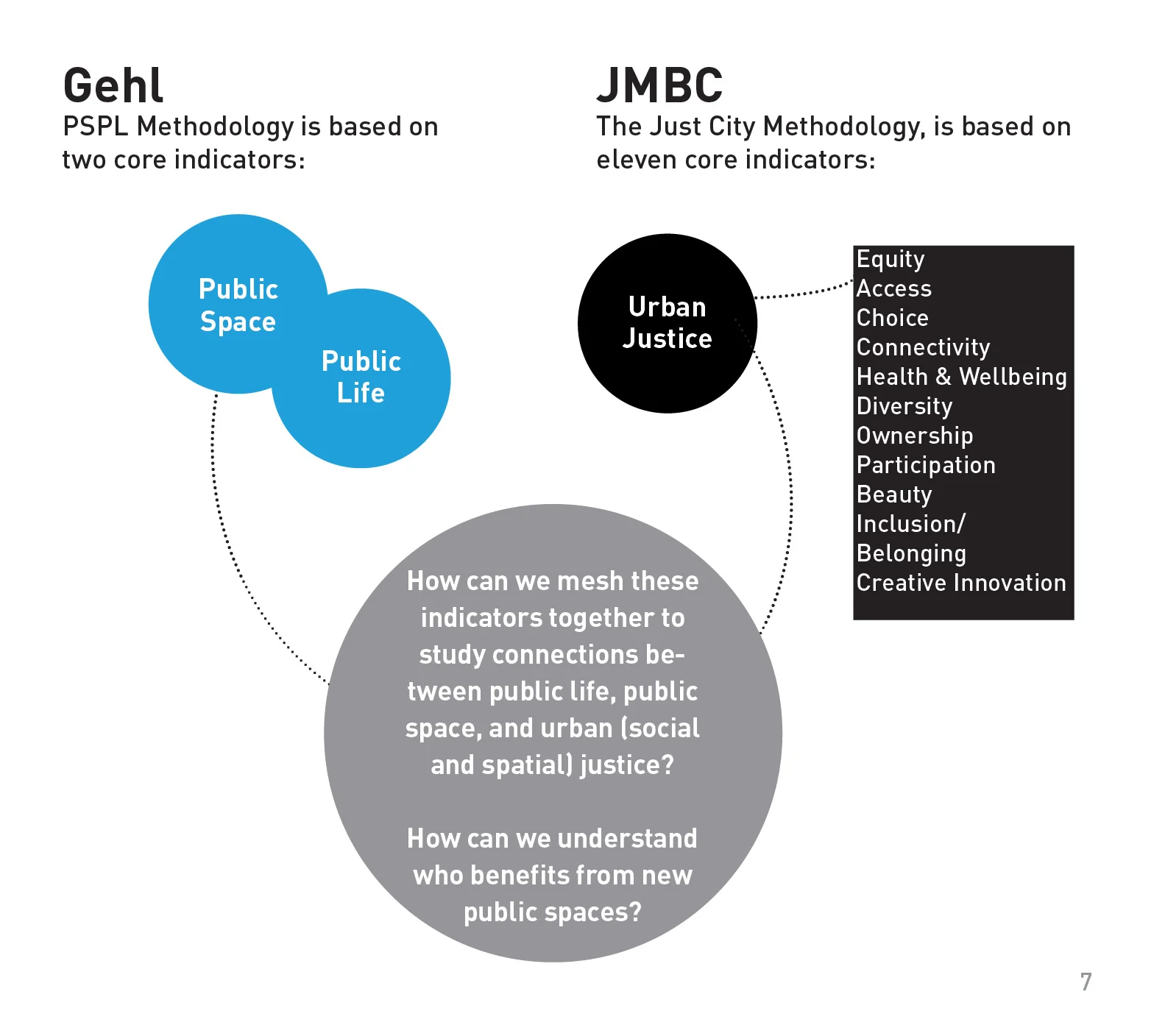
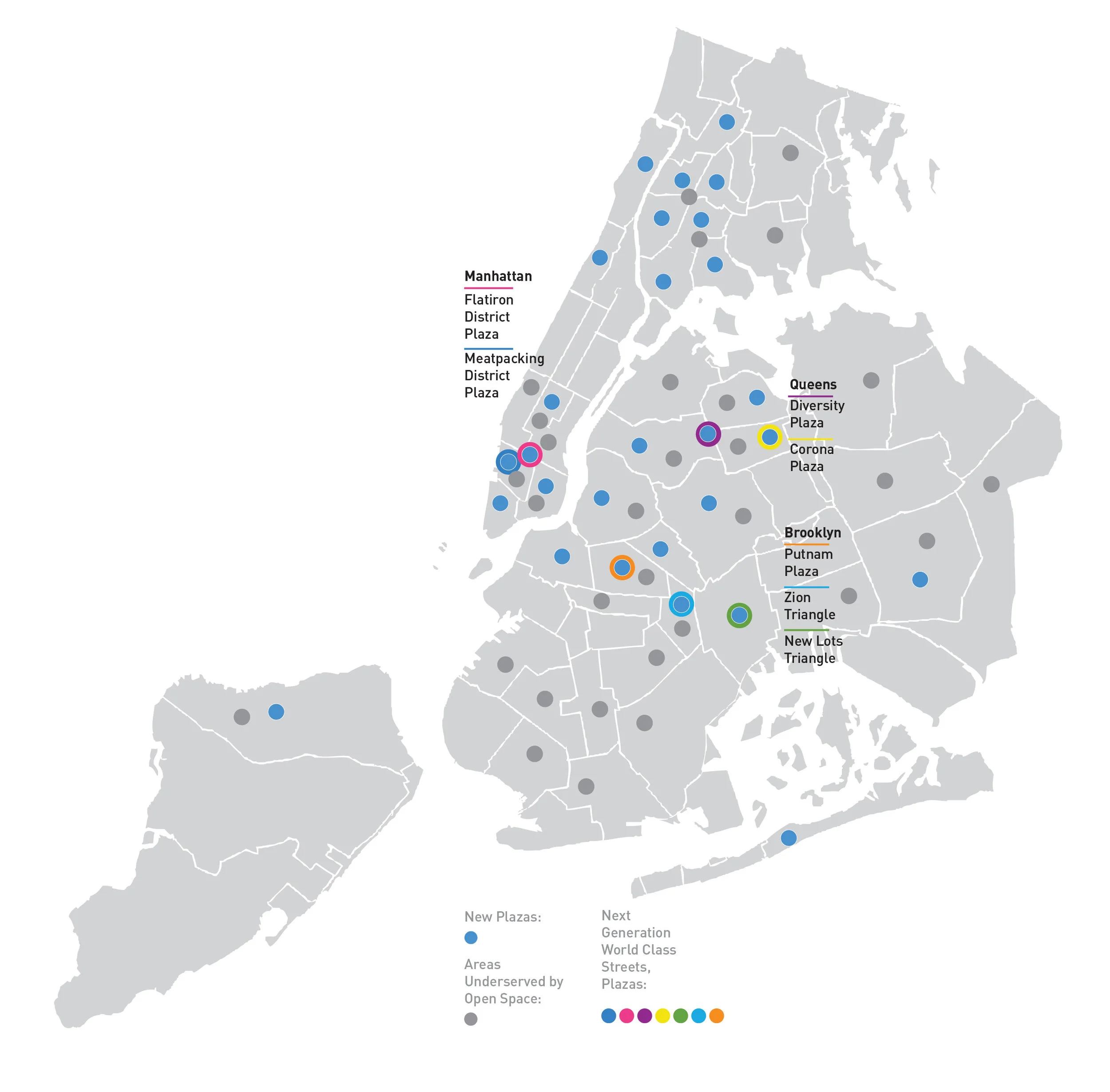
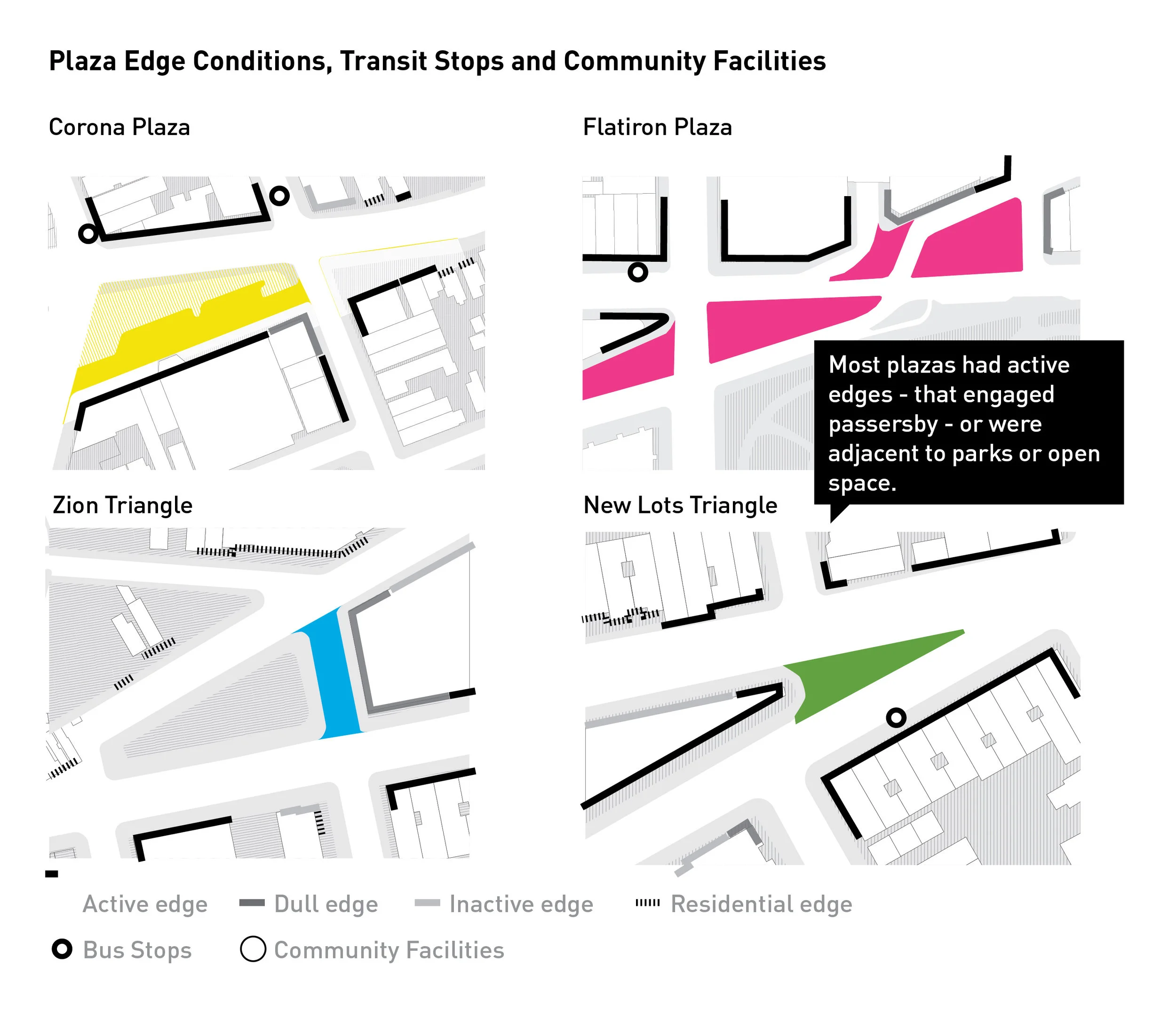
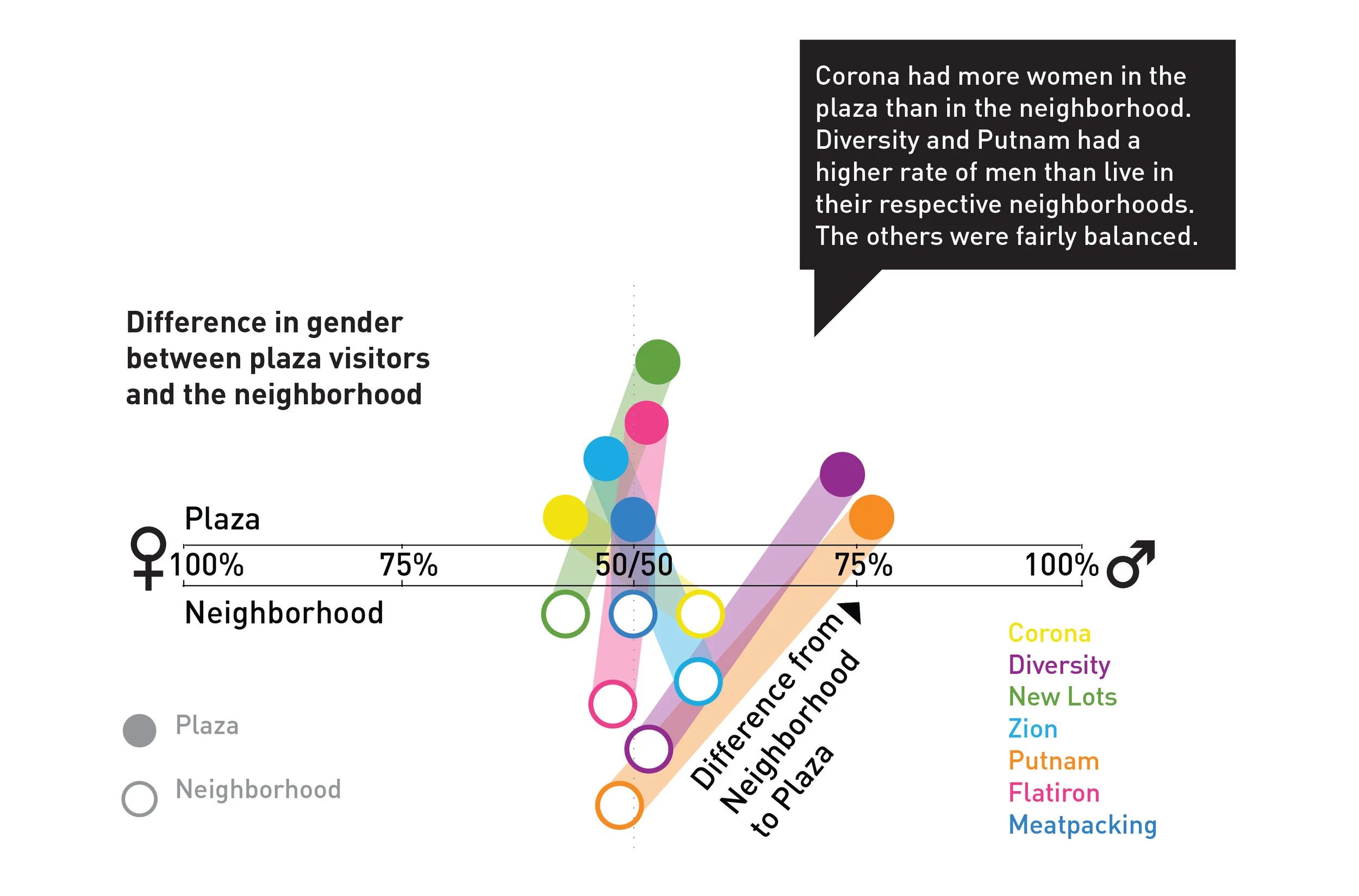
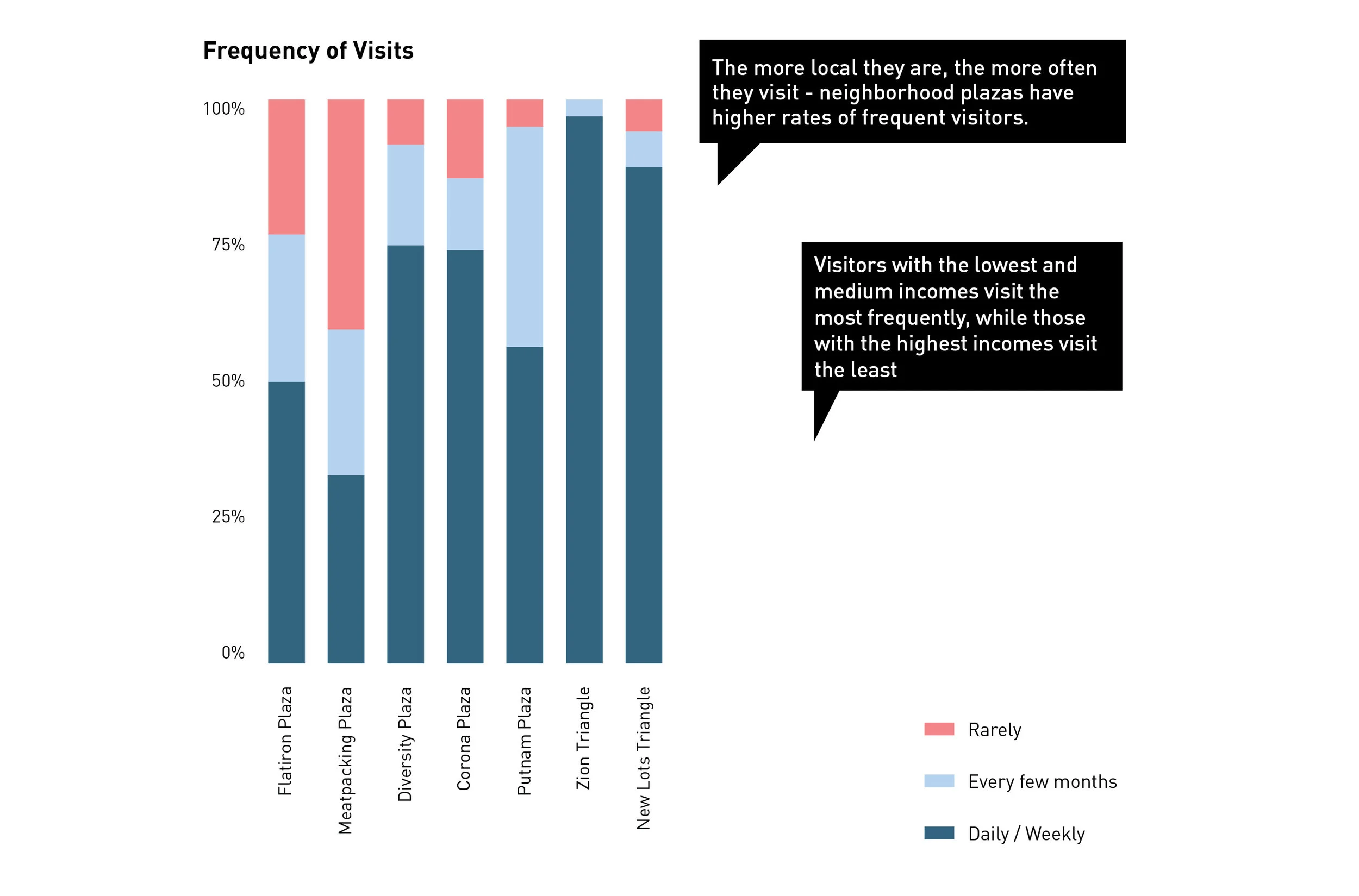
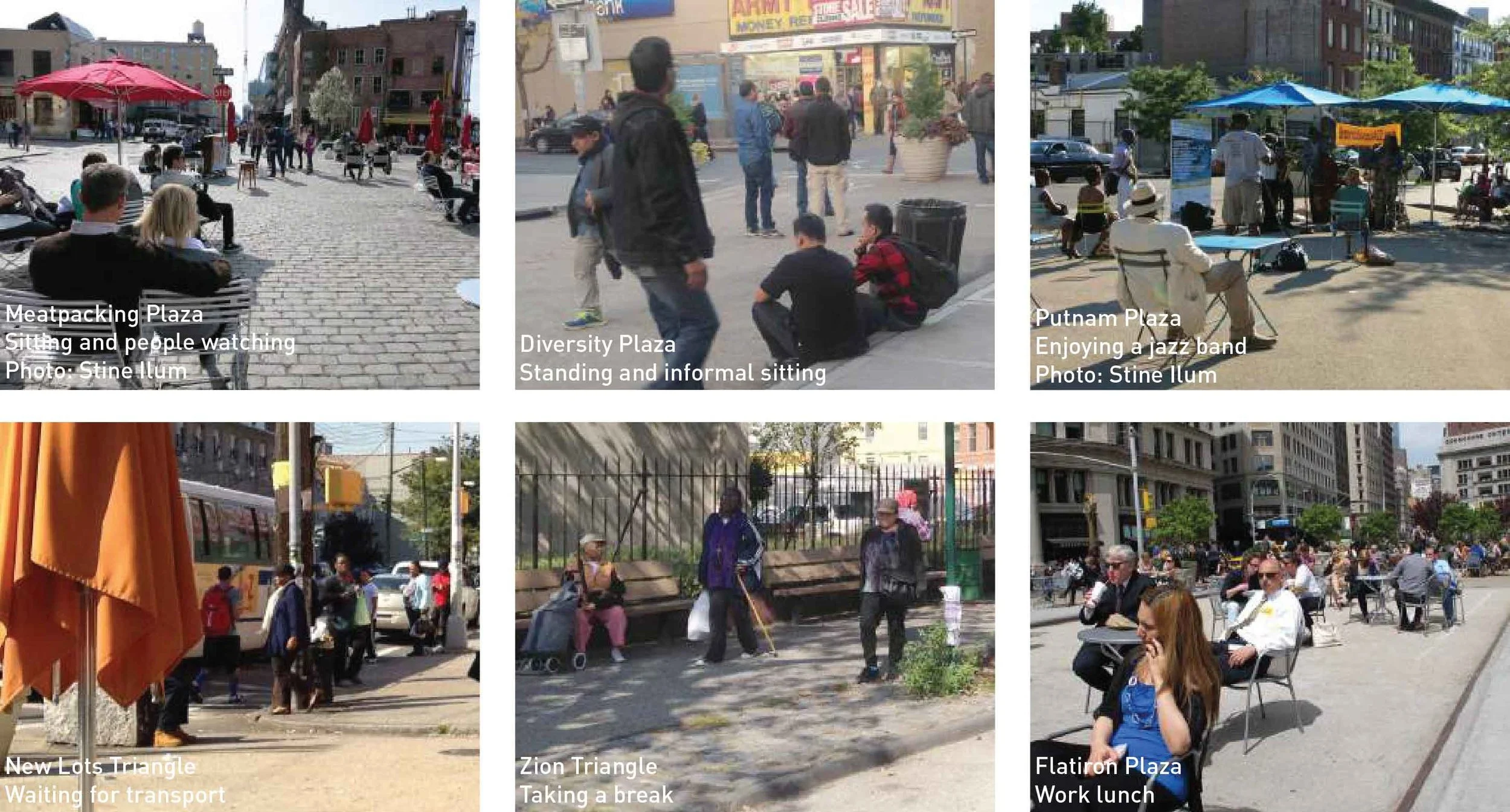
This report, "Public Life and Urban Justice in NYC's Plazas," is the culmination of an 18-month collaboration between Gehl Studio, the J. Max Bond Center and Transportation Alternatives to develop, investigate, measure and evaluate how New York City’s Public Plaza Program and seven of its recently implemented plazas contribute to quality public life and greater social justice. The report includes our methodology, indicators and metrics, and findings for seven New York City public plazas.